

Beyond Soybeans: Soy-Free Miso - How to Make Chickpea & Azuki Miso at Home
Updated: May 4

CONTENTS
ABOUT THIS RECIPE |
When people hear “miso,” they automatically think of soybeans.
But here’s the beautiful truth: You can make miso with other types of beans or even legumes.
If you’re soy-sensitive, allergic, or simply curious about new fermentation flavors, this guide will walk you through making:
Chickpea Miso
Azuki (Red Bean) Miso
If you’re new to miso-making, I highly recommend reading my detailed Traditional Soybean Miso Guide first, where I explain step-by-step instructions and Important Tips.
Everything in that post applies here — we’re simply swapping the beans.
THE UNIVERSAL MISO FORMULA | (Works for Any Bean)
At its core, miso requires only three elements:
Cooked beans
Koji
Salt
From there, fermentation does the magic.
The steps are nearly identical regardless of the bean:
Cook beans until mashable. (for soy beans and chickpeas, soaking it in water for up to 24 hours before cooking is strongly recommended)
Mix salt and koji separately.
Mash while warm.
Add pre-mixed salt and koji.
Combine thoroughly (very important for mold prevention).
Adjust texture with reserved cooking liquid (earlobe softness).
Pack tightly to remove air.
Seal the surface.
Ferment in a cool, dark place.
Over time, a dark tamari-like liquid may form on top. This is normal and flavorful. If you notice surface mold, remove it generously along with surrounding miso. Then continue fermenting.
Once the miso reaches your preferred taste, store it in the refrigerator to significantly slow fermentation and preserve that flavor stage.
Now let’s talk about what makes each version special.
CHICKPEA MISO - Mild, Nutty & Beginner-Friendly
Chickpea miso is incredibly approachable. It has:
A slightly sweet, nutty flavor
Creamy texture
Lighter color (especially with shorter fermentation)
It’s fantastic in:
Salad dressings
Vegetable glazes
Dips
Miso butter
Light soups
Gut Health Benefits of Chickpeas
From a fermentation perspective, chickpea miso offers:
High prebiotic fiber → feeds beneficial gut bacteria
Resistant starch → supports microbiome diversity
Plant-based protein
Naturally gluten-free
Gentle on digestion compared to some soy products
Combined with koji fermentation, it becomes both prebiotic and probiotic-supportive.
CHICKPEA MISO INGREDIENTS (Makes About 2.3kg) |

1,000g cooked Organic chickpea
250g natural sea salt
800g dried rice koji (fresh koji if available)
300ml chickpea cooking liquid
AZUKI MISO - Aromatic, Slightly Sweet & Unique
Azuki beans bring something completely different.
They have:
A delicate natural sweetness
A slightly earthy aroma
A beautiful deep color as they age
What makes azuki miso exciting is that it can be enjoyed in as little as one month.
At 3–6 months, it deepens and becomes more umami-rich, similar to traditional darker miso.
It may even shine in dishes where miso is the main character rather than just background seasoning.
Gut Health Benefits of Azuki Beans
Azuki beans are traditionally valued in East Asian cuisine for digestion support.
From a gut health perspective:
Rich in soluble fiber → supports bowel regularity
Contains polyphenols → may support gut microbial balance
Lower fat content → easier digestion
Supports blood sugar stability
Plant-based iron and minerals
When fermented with koji, these benefits combine with enzymatic breakdown that makes nutrients more bioavailable and easier to digest.
AZUKI MISO INGREDIENTS (Makes About 1.9kg) |
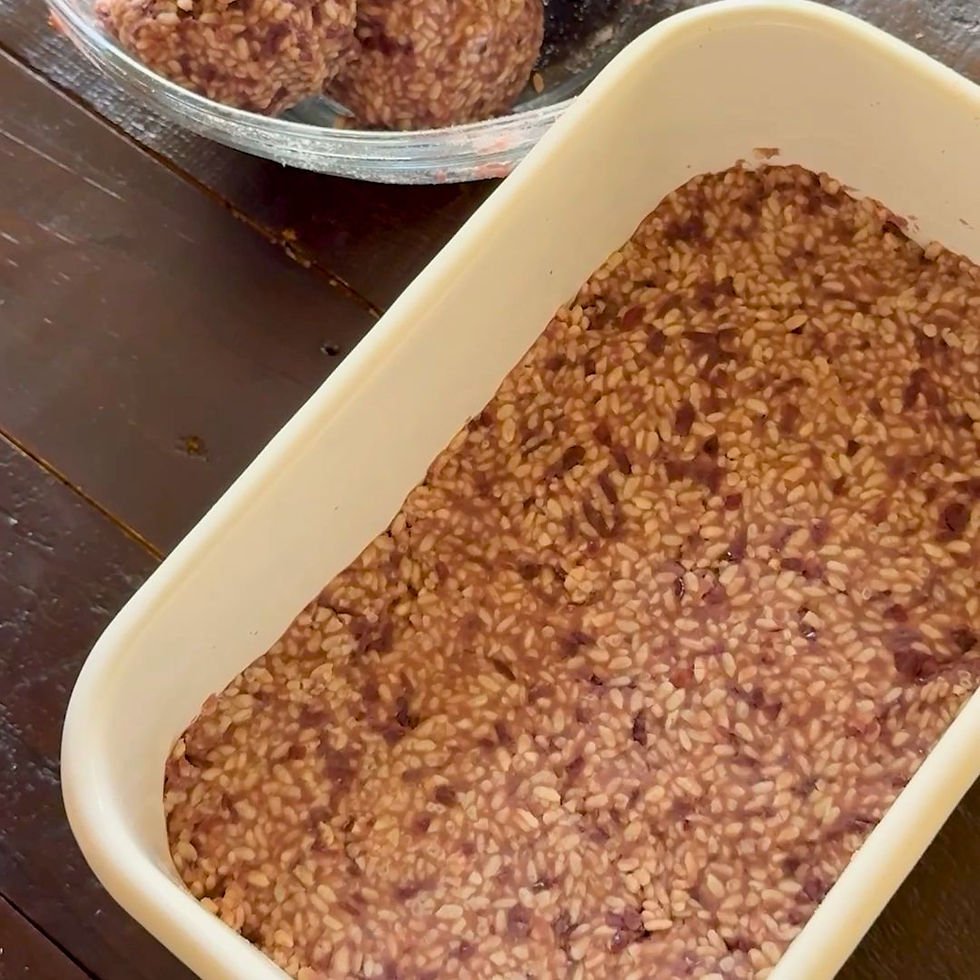
800g cooked Organic Azuki beans
200g natural sea salt
650g dried rice koji (fresh koji if available)
200ml Azuki bean cooking liquid
Save the Cooking Liquid. Don’t Waste It!
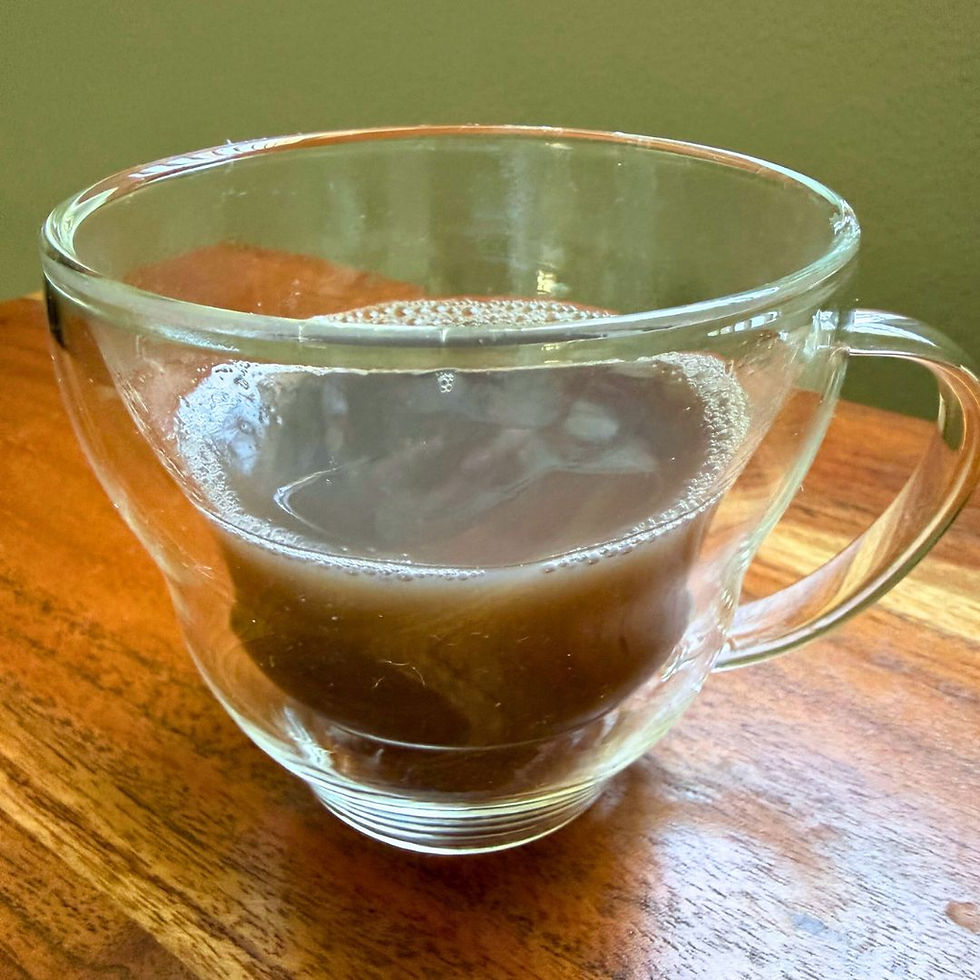
When making miso, be sure to save the cooking liquid instead of discarding it.
I especially LOVE drinking Azuki's cooking water - this beautiful reddish broth contains flavor and nutrients released from the beans during cooking.
Why it’s worth saving:
Contains dissolved nutrients – including polyphenols and minerals from the beans
Supports gut health – azuki beans are naturally high in fiber and beneficial compounds
SEALING YOUR MISO: SAKE LEES VS SALT & SAKE
One of the most important steps in miso-making is protecting the surface from air exposure.
Air = mold risk.
Option 1: Sake Lees (Highly Recommended If Available)

Sake lees (sake kasu) are the nutrient-rich byproduct of sake brewing.
Why they’re amazing for miso:
Naturally antimicrobial
Contains beneficial fermentation byproducts
Creates an oxygen barrier
Adds subtle aroma complexity
Traditionally used in Japan
You simply spread a thin, even layer over the miso surface to prevent air contact.
Option 2: Salt + Sake Method (More Accessible Globally)

Because sake lees aren’t available everywhere in the states or other countries, the salt + sake method is a reliable alternative:
Lightly spray or brush sake over the surface.
Sprinkle a thin layer of salt.
Press plastic wrap directly onto the surface.
Add a weight.
This method works by:
Alcohol discouraging unwanted microbes
Salt inhibiting mold growth
Physical air barrier preventing exposure
Both methods are effective — choose what is realistic for your kitchen.
SHOPPING TIPS |
Miyako RICE KOJI:

I recently found this dried koji (made in Japan) on Amazon, and it has become my new go-to for homemade miso and all of my koji-based seasonings.
This brand is more cost-effective while still maintaining excellent quality. The grains are consistent, the fermentation is stable, and the flavor develops beautifully — especially for miso, salt koji, soy sauce koji, and amazake. Good koji is the foundation of everything. If your koji is high quality, your final product will naturally taste more balanced and deeply umami-rich.
This is the one I personally use now in my kitchen.
Oryzae RICE KOJI:

This is another excellent dried koji option available on Amazon, also made in Japan.
It is slightly more expensive than my current go-to brand, but the quality is very good. If my primary choice isn’t available, this is the one I purchase.
One thing I always tell my students: try a few different koji brands. Just like wine or miso, there are subtle differences in aroma, sweetness, and enzymatic strength. Over time, you’ll find the one that fits your preference and cooking style. Quality koji truly makes a difference.
Other RICE KOJI:

Look for dried rice koji at Japanese or Asian grocery stores in the refrigerated section. Brands like Cold Mountain, Marukome, or Hikari are reliable. Japanese supermarkets like Nijiya, Mitsuwa, Marukai often carry a few different kinds of KOJI.
Coarse Sea Salt "Hakata no Shio":

I use Hakata no Shio coarse sea salt for my salt koji because:
It is sun-dried sea salt
It has a mild, slightly sweet flavor
It retains natural minerals
It has a moist texture
This moisture and mineral balance are important for fermentation.
For salt koji specifically, you want a salt that:
Dissolves gradually
Does not taste sharply bitter
Supports clean fermentation
Very refined table salts are overly processed and stripped of minerals. Some also contain anti-caking agents. These can affect both flavor and fermentation environment.
Hakata no Shio has a round, gentle salinity that helps create a more mellow salt koji.
ORGANIC CHICKPEA (SIMPLi):

For chickpea miso, I like using organic dried chickpeas such as SIMPLi. They are regeneratively grown heirloom legumes that cook evenly and develop a creamy texture when mashed — perfect for fermentation. Their mild, nutty flavor creates a gentle, slightly sweet miso that works beautifully in soups, dressings, and marinades.
ORGANIC AZUKI / ADZUKI (Food to Live):

Azuki (Adzuki) beans are widely used in Japanese cuisine — both sweet and savory dishes. Like soybeans, I prioritize organic and non-GMO varieties.
Even though I prefer Japanese-grown beans when possible, it is difficult to find reliable sources in the U.S. This certified organic option from Food to Live is a trustworthy alternative.
Traditional Japanese cooking emphasizes respect for ingredients — and that begins with sourcing.
HAKKAISAN Sake Lees (Sake Kasu):

For sealing miso during fermentation, I love using sake lees (酒粕, sake kasu), the soft rice paste left after pressing sake during brewing. Sake lees create a natural protective layer over the miso that helps reduce mold risk while also adding subtle aroma and complexity.
One excellent option is sake lees from Hakkaisan, a well-known brewery from Niigata, Japan that has been producing premium sake since 1922.
Because sake lees are fresh fermentation byproducts, they are rarely sold online. Instead, look for them at Japanese grocery stores such as Mitsuwa Marketplace or Tokyo Central, where they are sometimes available frozen or refrigerated during sake brewing season.
WHICH ONE SHOULD YOU TRY?
Choose Chickpea Miso if you want:
Mild flavor
Beginner-friendly fermentation
Versatile everyday use
Choose Azuki Miso if you want:
Something unique
Slight natural sweetness
A more experimental fermentation journey
Or make both — and compare.
FINAL THOUGHTS |
Traditional soybean miso is beautiful - but fermentation is flexible.
Once you understand the core principles (covered in my soybean miso guide), you’ll realize:
Miso isn’t limited to soybeans.
It’s a fermentation technique — and you can apply it creatively.
If you try one of these variations, let me know which bean you choose. And if you experiment with another legume… I want to hear about it.
I’ll also be sharing the fermentation progress over the coming months on Instagram @kojiandmore if you’d like to follow along!


Comments